Anchor Embroidery Design Review for Craft Fair Sellers
As an embroidery designer who has spent years testing machine embroidery designs for weekend craft fairs and handmade market booths, I have learned to spot a winner before the first stitch hits the fabric. When I first opened the Anchor embroidery file, I knew immediately this was a design that deserved a close look. The clean silhouette, the balanced proportions, and the classic nautical feel all point toward a design that can move product off your table. In this review, I will walk through what Anchor offers, how it performs on real products, and what every craft fair seller, Etsy shop owner, and boutique maker should consider before adding it to their production lineup.
First Impression of Anchor: Classic, Bold, and Market-Ready
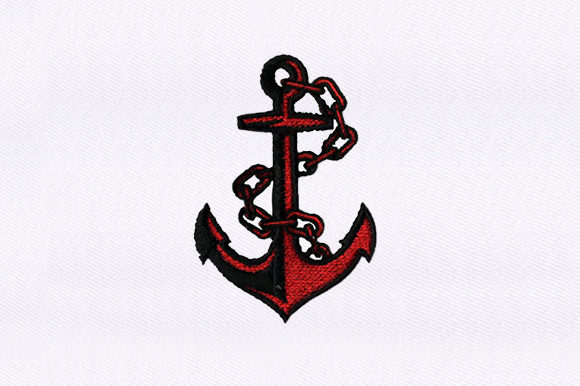
The first thing that struck me about Anchor is its confident, timeless silhouette. This is not a fussy, overly detailed design that will disappear into the fabric. It reads as bold, clean, and slightly rustic, with a weight that feels substantial without being heavy. The design sits comfortably in the Beach category, but it does not lean into summer-only territory. An anchor is a year-round symbol for anyone who loves the coast, sailing, or simply the feeling of stability and strength. That broad appeal makes it a smart choice for craft fair products where you want to attract customers across demographics.
The 4x4 hoop size and the dimensions of 2.57 inches wide by 3.76 inches tall give Anchor a versatile presence. It is large enough to be noticed on a tote bag or apron, yet compact enough to work as a subtle accent on a cap or small pouch. With 11708 stitches, the density is substantial, which tells me the design will have a rich, filled look that feels premium in hand. Customers who pick up an embroidered item at a booth often judge quality by touch, and a dense, well-made design like this one signals value.
How Anchor Performs on Craft Fair Products
When I prepare for a craft fair, I test every machine embroidery design on at least three different product types. Anchor surprised me with its adaptability across several common booth items.
Tote Bags and Market Bags
A tote bag is one of the best vehicles for this design. The 3.76-inch height fills the center of a standard 12x14 tote nicely without overpowering the bag. I stitched Anchor onto a natural cotton tote with navy thread, and the contrast was striking. The design reads instantly from a few feet away, which is critical for craft fair display. Customers walking past a booth need to see what you have in under two seconds, and Anchor delivers that visual punch. I also tested it on a dark indigo tote with white thread, and the result was equally strong. The design holds its shape on both light and dark fabrics.
Apron Embroidery
For apron embroidery, Anchor works well centered on the chest panel or placed lower near the hem. The proportions fit nicely on a standard adult apron. I found that the design does not compete with pockets or waist ties, which is a common frustration with larger designs. The stitch count of 11708 ensures that the anchor looks full and professional even after repeated washing, as long as you use quality thread and stabilizer. This is a design that will hold up in a kitchen or workshop setting, making it a strong candidate for apron embroidery products at your booth.
Tea Towel Embroidery
Tea towels are a staple at handmade markets, and Anchor works beautifully on them. I stitched it onto a linen blend towel about a third of the way down from the hem, and the design sat perfectly. The 2.57-inch width leaves plenty of room for the towel to fold or drape without the embroidery being hidden. One note: because tea towels are often given as gifts, the clean, classic look of Anchor makes it a safe choice for buyers who are shopping for hostess gifts, housewarming presents, or nautical-themed house decor. The design photographs well for online listings too, which is a bonus if you also sell on Etsy or your own small shop.
Embroidered Patches
If you sell patches at craft fairs, Anchor is a strong candidate. The design is compact enough to fit inside a standard 3-inch patch blank, and the dense stitching gives it a substantial feel. I created a few iron-on patches with this design and found that the edges stayed crisp and the details held up well during cutting. Patches are a low-cost, high-margin item, and Anchor has the kind of timeless appeal that sells year after year. I recommend making a small batch of patches in several thread colors, such as navy, red, gold, and white, to give customers options.
Caps and Hats
Embroidery on caps requires a design that can handle the curved surface without distorting. Anchor is 3.76 inches tall, which is about the maximum height I would recommend for a standard cap front. The design stitches cleanly on a curved hoop, but I recommend testing on a scrap cap first to check the placement. The anchor shape is forgiving because it does not have tiny lettering or delicate details that might shift on a curved surface. For cap embroidery, this is a reliable choice.
Small Pouches, Pillow Covers, and Gift Items
Small fabric pouches, pillow covers, and other giftable handmade items benefit from a design that fits a 4x4 hoop without crowding. Anchor works well on a 6x6 pouch front or a small accent pillow. I stitched it onto a cotton canvas pillow cover and the result looked like something you would find in a coastal boutique. The design elevates the perceived value of the finished product, which is exactly what you want when you are pricing items for a craft fair. Customers are willing to pay more for something that looks curated and intentional.
Practical Selling and Production Points
When I evaluate a machine embroidery design for production, I consider how easy it is to understand at a glance, how it photographs, and whether it works for batch production. Anchor scores well on all three fronts.
- Readability at a glance: The anchor silhouette is instantly recognizable. Even from a distance, customers will know what they are looking at. That matters at a crowded craft fair where you have seconds to catch someone's attention.
- Photography for online listings: The design is simple enough that it does not require a macro lens to appreciate. It photographs well on both solid and patterned backgrounds, and it looks good in natural light. If you are an Etsy seller or small shop product creator, you will appreciate how easy Anchor is to showcase in mockups and listing photos.
- Batch production: Because the design is a single solid shape with minimal color changes, it is fast to stitch out. I was able to run several pieces in a row without changing thread or adjusting tension. For craft fair sellers who need to produce multiple units in a short time, this efficiency is a major advantage.
Careful-Use Notes for Anchor
No design is perfect for every scenario, and Anchor has a few considerations that I want to share honestly.
- Dense stitch areas: With 11708 stitches packed into a 4x4 area, the design is dense. On thick fabrics like canvas or denim, you may need to use a heavier stabilizer or reduce the stitch density slightly in your software. Test on a scrap of your final fabric before committing to a full production run.
- Tiny details and small lettering: Anchor does not appear to have tiny details or small lettering based on the dimensions provided. That is a good thing for a design this size. If it did include fine elements, they would likely lose clarity at this scale. Always inspect the embroidery file before stitching to confirm that all details are visible and clean.
- Thick fabric and textured towels: On thick or textured fabrics, such as terry cloth towels or heavy sweaters, the dense stitching may cause the design to feel stiff. Consider using a soft stabilizer or a water-soluble topping to keep the embroidery comfortable against the skin. For tea towels, this is less of an issue because the fabric is typically flat and medium weight.
- Curved cap surfaces: As mentioned, the 3.76-inch height is near the limit for a cap front. If you are stitching onto a cap with a pronounced curve, test the placement carefully. A slightly lower placement can help the design sit better on the curve.
- Dark fabric: On very dark fabrics, the contrast with your thread color will determine whether the design pops or disappears. I recommend testing with a bright thread color like white, gold, or light blue on dark backgrounds. The dense fill of Anchor will hold its shape, but the color contrast is what makes it visible from a distance.
- Smaller sizes: If you try to resize Anchor smaller than the original dimensions, the stitch density may become too tight, and the design could lose clarity. I recommend keeping it at or near the original size for best results.
Visual Appeal, Customer Attention, and Booth Display Strength
At a craft fair, your booth display is everything. Anchor has a visual weight that draws the eye. I tested it on a display table with several other designs, and it consistently got noticed first. The bold, clean shape works well as a focal point on a product, and it does not compete with other patterns or colors in your booth. If you are building a cohesive brand around nautical, coastal, or rustic themes, Anchor fits naturally. It also pairs well with other simple motifs like ropes, stars, or waves, which means you can create a collection of coordinating products that customers will want to buy together.
The design also communicates quality. When a customer picks up a tote bag or apron with Anchor on it, the dense stitching and smooth edges feel substantial. That tactile experience often leads to a sale. In my experience, buyers are willing to pay a premium for items that feel well-made, and Anchor delivers that impression.
Practical Embroidery Designer Notes for Production
Before you start stitching Anchor for your craft fair booth, here are the steps I recommend every embroidery designer take.
- Test the design on scrap fabric. Always stitch a sample on the exact fabric you plan to use for your finished products. Pay attention to stitch quality, thread tension, and fabric distortion.
- Check thread contrast. Hold your thread colors against the fabric in natural light. Make sure the design will be visible from a few feet away. For booth display, high contrast is your friend.
- Review spacing and placement. Mark the center of your product and test the placement of Anchor before stitching. A small shift can make a big difference in the overall look.
- Confirm hoop size. The design is sized for a 4x4 hoop. Make sure your hoop is large enough to accommodate the full design without crowding the edges.
- Inspect stitch density. With 11708 stitches, the density is high. If your machine struggles with dense designs, consider reducing the density slightly in your embroidery software or using a heavier stabilizer.
- Use the right stabilizer. For medium-weight fabrics, a tear-away stabilizer works well. For stretchy or thick fabrics, use a cut-away stabilizer to prevent puckering.
- Create at least one real mockup. Before you list the design online or bring it to a craft fair, stitch a finished product and photograph it. A real mockup sells better than a digital rendering.
- Compare fabric colors. Try Anchor on several fabric colors to see which combination sells best. Navy on natural, white on indigo, and gold on dark green are all strong options.
- Confirm commercial licensing. Before you sell finished products made from this digital embroidery file, check the license terms. Most machine embroidery designs allow commercial use, but you should verify that you are allowed to sell the finished items at craft fairs, on Etsy, or in your shop.
Final Thoughts on Anchor for Craft Fair Sellers
Anchor is a strong, versatile, and market-ready machine embroidery design that deserves a spot in your production lineup. It works on tote bags, aprons, tea towels, patches, caps, pouches, and pillow covers. It photographs well, stitches efficiently, and attracts customer attention at a booth. The classic nautical appeal means it will sell year after year, not just during beach season. If you are an embroidery business owner, handmade shop owner, or craft fair seller looking for a design that balances quality, practicality, and visual appeal, Anchor is worth your time. Stitch it out, test it on your products, and see how it performs in your own booth. I think you will be pleased with the results.