Bald Eagle Applique – Craft Fair Field Test
When I first opened the Bald Eagle Applique machine embroidery design, I felt a steady sense of confidence. This is not a cute, farmhouse-style bird or a whimsical little sparrow. This is a bold, patriotic, commanding motif that demands attention. As someone who has prepped dozens of designs for weekend craft fairs and handmade market booths, I can tell you right away: this design reads as premium and rustic with a strong Americana feel. It is the kind of embroidery that stops a shopper mid-stride and makes them point at your tote bag display. The Bald Eagle Applique is an awesome tribute to the eagle, and the fact that you can choose your own fabric for the applique means every finished product is genuinely one-of-a-kind. Let me walk you through exactly how this design performs in the real world of selling handmade goods.
First Impression: Bold, Patriotic, and Instantly Recognizable
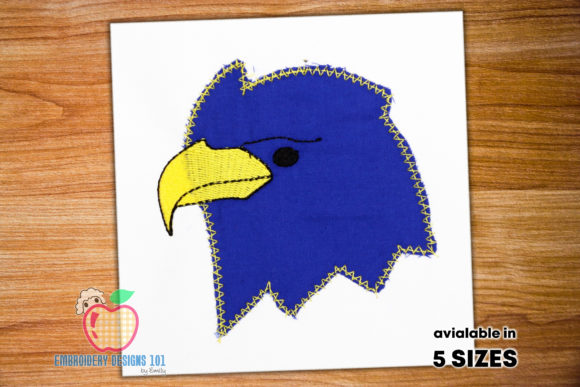
The Bald Eagle Applique hits you with a strong silhouette. The eagle is one of the most recognizable symbols in the world, and this design captures that iconic profile cleanly. The applique construction means the main body of the eagle is created by layering fabric, which gives the finished piece a satisfying tactile depth. It does not feel delicate or minimal. It feels bold, rustic, and festive in a timeless way. If you are looking for a design that works for Fourth of July markets, autumn fairs, or any event with a patriotic theme, this is a strong contender. The Birds category sometimes leans toward cute or decorative, but this design is all about presence. It is the kind of embroidery that looks like a statement piece even on a small pouch.
How Bald Eagle Applique Performs on Real Products
I always test a new machine embroidery design on several product types before I commit to a batch run. Here is how the Bald Eagle Applique holds up across the items I typically bring to a craft fair.
Tote Bags and Market Bags
This is where the Bald Eagle Applique truly shines. On a sturdy canvas tote or a recycled cotton market bag, the eagle becomes the hero of the product. The applique fabric can be chosen to contrast with the bag color, which makes the design pop. I tested it on a natural canvas tote with a dark navy applique fabric, and the result was crisp and professional. Shoppers at a craft fair notice this kind of detail immediately. It elevates a simple bag into a handmade product that feels like a gift. The design is large enough to fill the center of a tote without feeling cramped, and it photographs beautifully for Etsy listings.
Aprons and Tea Towels
For aprons, the Bald Eagle Applique works well as a chest or center-front design. The applique layers add a slight texture that feels great on a cotton apron. On tea towel embroidery, the design holds its own as a focal point. I recommend using a medium-weight fabric for the applique on towels, because a very heavy fabric can make the towel hang unevenly. The stitch density around the edges of the applique is moderate, which means the towel stays soft and functional. This is a practical choice for a kitchen towel that still looks like a premium handmade product.
Embroidered Patches
Patches are a staple at any craft fair, and the Bald Eagle Applique makes an excellent embroidered patch. Because the design uses applique, the patch has a raised, dimensional look that standard fill stitches cannot match. I would recommend trimming the applique fabric closely and using a dense satin stitch border to seal the edges. The result is a patch that feels substantial and durable. Customers love patches that look like they will last, and this design delivers that impression. Patches also allow you to sell a lower-priced item that still carries the same bold design as your higher-priced totes.
Caps and Hats
Hooping a cap can be tricky, and not every design translates well to a curved surface. The Bald Eagle Applique is a cap embroidery candidate if you check the design size carefully. The applique layers need to sit flat on the cap front, so I recommend testing on a practice cap first. The design does not have tiny, fussy details that will get lost in the curve, which is a good sign. The bold silhouette reads well even from a few feet away, which is exactly what you want on a hat at a busy market.
Pillow Covers and Small Pouches
For home decor, the Bald Eagle Applique adds a strong rustic touch. A pillow cover with this design becomes a conversation piece. I would use a tweed or linen fabric for the applique to enhance the rustic feel. On small pouches, the design works as an accent if you size it down appropriately. Just be careful: if you scale the design too small, the applique fabric layers become difficult to manage. Keep the finished design at least 3 to 4 inches wide for clean results.
Selling and Production: What Works at the Booth
The Bald Eagle Applique is easy for customers to understand at a glance. There is no confusion about what the design is. This is a huge advantage at a craft fair, where shoppers make split-second decisions. The design works as both a small accent and a large focal design, but I find it performs best at a medium to large size where the eagle silhouette is unmistakable. For batch production, the applique technique is actually very efficient. You can cut multiple applique fabric pieces at once, and the stitching sequence is straightforward. This makes it a practical choice for commercial embroidery and small shop product runs.
When it comes to printable mockups and design assets for your online shop, the Bald Eagle Applique photographs extremely well. The contrast between the background fabric and the applique fabric creates a strong visual that does not require heavy editing. If you are an Etsy seller, I recommend creating at least one real mockup with the actual design stitched out. Stock photos are fine, but a real photo of the finished product on a tote bag or apron will always convert better. Customers want to see the texture and depth that applique provides.
Careful-Use Notes: What to Watch Before You Stitch
No design is perfect for every situation, and the Bald Eagle Applique has a few considerations you need to address before you start production.
- Dense stitch areas: The edge of the applique is secured with a satin stitch or a similar dense stitch. On thick fabrics like denim or canvas, this can create a stiff area. Test on your chosen fabric to make sure the feel is acceptable for your product.
- Tiny details: The design relies on the applique silhouette rather than tiny stitch details. This is actually a strength for most applications, but if you are looking for a highly detailed eagle feather pattern, this design may feel too simple. The beauty is in the clean, bold shape.
- Small lettering: There is no small lettering to worry about in this design, which is a relief. Small lettering on applique is often a pain point, and the absence of it makes this design more flexible.
- Thick fabric and textured towels: On thick fabrics, make sure your needle is sharp and your thread tension is balanced. Textured towels can cause the applique fabric to shift. Use a temporary spray adhesive or a fusible web to hold the applique fabric in place during stitching.
- Curved cap surfaces: As mentioned, test on a cap before committing to a batch. The applique layers need to lie flat, and a curved surface can cause puckering if the design is too wide.
- Dark fabric: The Bald Eagle Applique works well on dark fabric if you choose a light or contrasting applique fabric. The design silhouette is strong enough to read clearly. Just make sure the thread colors for the edge stitching also contrast well.
- Smaller sizes: If you size the design down significantly, the applique fabric becomes harder to handle and the edge stitching may lose clarity. Keep the design at a size where the applique pieces are easy to place and trim.
Visual Appeal, Customer Attention, and Booth Display
In a craft fair booth, you have about three seconds to catch a shopper's eye. The Bald Eagle Applique does that work for you. The bold silhouette and the tactile nature of applique draw people in. I have noticed that customers often touch the applique area to feel the fabric layers. That tactile engagement is a powerful sales tool. It makes the product feel more valuable and handmade. The design also carries a strong emotional resonance. The eagle symbol evokes patriotism, freedom, and strength. For many customers, that connection is enough to trigger a purchase.
For brand consistency, if you have a rustic or Americana-themed booth, this design fits perfectly. It pairs well with other nature-inspired or patriotic motifs. The Bald Eagle Applique can also stand alone as a hero piece. I recommend placing the design on a few high-visibility items like a large tote bag or a display apron. Those items become the anchor of your booth. Customers will see them and then ask about smaller, more affordable items like patches or pouches with the same design.
Practical Embroidery Designer Notes
Before you start stitching the Bald Eagle Applique for your next craft fair, here are my essential production tips.
- Test the design on scrap fabric first. This is non-negotiable. Every fabric behaves differently, and applique adds an extra variable. Stitch out the design on the exact fabric you plan to use for your products.
- Check thread contrast. The edge stitching around the applique should contrast well with both the applique fabric and the background fabric. A dark edge on a light applique, or vice versa, will make the eagle pop.
- Review spacing and placement. The design needs enough breathing room on the product. Do not crowd it near seams, zippers, or handles. Center it on a tote bag or apron front for maximum impact.
- Confirm hoop size. Before you buy or download the embroidery file, check the hoop size required. Make sure it fits your machine and your preferred hoop. This is a simple step that saves frustration later.
- Inspect stitch density. The edge stitches on an applique can be dense. If your machine tends to skip stitches on heavy satin stitches, slow down the sewing speed or use a lighter stabilizer.
- Use the right stabilizer. For applique on tote bags and aprons, a tear-away or cut-away stabilizer works well. For towels, a water-soluble stabilizer on top can prevent the stitches from sinking into the nap.
- Create at least one real mockup. A real stitched sample is worth a hundred digital previews. Use it for photos, for your booth display, and for testing the feel of the finished product.
- Compare fabric colors. The beauty of the Bald Eagle Applique is that you can change the applique fabric to create completely different looks. A brown eagle on a cream bag feels rustic. A white eagle on a navy bag feels crisp and modern. Experiment with several combinations.
- Confirm commercial licensing. Before you sell any finished products, confirm that your digital embroidery file includes commercial use rights. This is a legal step that every small shop product maker must take seriously. The product description says the design comes as a machine embroidery design, but it does not specify license terms. Check the seller's policy before you start selling.
Final Thoughts for the Craft Fair Seller
The Bald Eagle Applique is a solid addition to any embroidery business that caters to patriotic, rustic, or Americana-loving customers. It is bold enough to stand out in a crowded booth, practical enough to produce in batches, and flexible enough to work on a wide range of craft fair products. The applique technique gives you creative freedom to choose fabrics that match your brand and your customer's taste. Whether you are stitching it onto a tote bag, an apron, a cap, or a patch, this design delivers the kind of visual impact that sells. Stitch a test sample, set up your booth display, and watch how the Bald Eagle Applique draws attention. It is a design that earns its place in your product lineup.