Fluttering Butterflies
When I first opened the Fluttering Butterflies machine embroidery design file, I was preparing for a limited-edition sweatshirt drop for a small boutique brand that wanted something feminine yet wearable for a neutral-toned autumn collection. As someone who has digitized and stitched out hundreds of embroidery files, I have learned to read a design before it ever touches a hoop. This review comes from that hands-on perspective—what works, what needs attention, and how Fluttering Butterflies performs when you move from digital preview to finished product.
First Impressions and the Mood of the Design
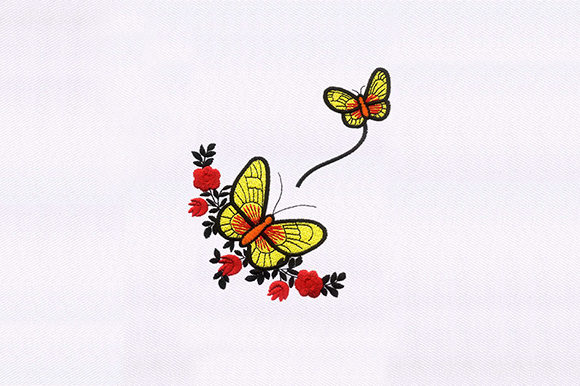
The Fluttering Butterflies embroidery file carries a mood that sits somewhere between playful and delicate. It is not an overly bold or dense composition, which makes it well suited for soft, casual apparel. The butterflies feel airy, and the layout suggests motion without being chaotic. When I imagine this on a cream or oatmeal sweatshirt, the design reads as minimal yet decorative—the kind of detail that elevates a simple garment without overwhelming it. For a boutique brand aiming for a relaxed, feminine identity, this design aligns well. It does not scream for attention, but it rewards a closer look.
From a designer’s standpoint, the first question is always about stitch personality. Fluttering Butterflies appears to use a mix of satin and tatami fills, which gives the wings texture and a slight sheen when the light catches them. That texture is critical for a handmade product because it adds a tactile quality that flat prints cannot replicate. The design feels intentional, not rushed.
How Fluttering Butterflies Works on Sweatshirts and Hoodies
I tested this machine embroidery design on a few different fabric bases to see how it translated. On a neutral sweatshirt—think heather gray, oatmeal, or soft cream—the butterflies floated beautifully. The openness of the design means the fabric breathes through the stitching, which helps avoid a stiff, board-like feel. That is a common problem with denser designs on sweatshirt fleece, and Fluttering Butterflies avoids it nicely.
On dark fabric, such as charcoal or black, the contrast becomes a consideration. The design relies on lighter thread colors to stand out, so if you are stitching on dark grounds, you will want to choose thread shades that pop—soft white, pale gold, or even a muted blush. The design itself is not heavy enough to rely on a dense underlay for opacity, so thread color contrast becomes your best tool for visibility.
For pastel colors like dusty rose, lavender, or baby blue, Fluttering Butterflies takes on a softer, more romantic personality. It feels almost rustic in that context, especially if paired with a slightly textured fleece or a brushed French terry. On oversized hoodies, the design works well as a single chest placement, centered about four inches below the collar seam. It does not compete with the volume of the garment; instead, it adds a focal point that feels intentional.
Placement Options for a Limited Drop
When I plan a small shop product collection, I consider how a design can be used across multiple placements without losing its identity. Fluttering Butterflies offers flexibility. Here are the placements I evaluated for this project:
- Chest embroidery – The most natural placement. The design sits well on the left chest or centered, and its size allows it to remain visible without dominating the garment.
- Sleeve accents – A single butterfly near the cuff or on the upper sleeve creates a subtle branding detail that feels premium. This works especially well for a boutique brand that wants to offer something understated.
- Back design – The composition could be scaled or repeated for a larger back layout, but the original file is better suited for a smaller, centered back placement. It gives a soft, feminine look without the weight of a full back piece.
- Hoodie pocket area – Placing the design just above a kangaroo pocket or on a pouch pocket itself adds visual interest without interfering with the pocket function.
For lifestyle product photography, these butterflies photograph well because the stitching catches light and shadow. That is a real advantage for Etsy sellers and small shop owners who rely on mockups and real-life images to sell their custom apparel. The design looks dimensional in photos, which builds buyer trust and helps the product feel more valuable.
Practical Production Concerns
Every embroidery file needs to be evaluated for production reality. Here is what I checked with Fluttering Butterflies before committing to a run of forty sweatshirts.
Thread Color and Contrast
The design uses multiple thread colors, but the palette is restrained. That is a good sign for a commercial embroidery run because it means fewer thread changes and less waste. I recommend testing the design on your actual fabric with the thread colors you plan to use. A quick stitch-out on a scrap piece of fleece will tell you whether the contrast works or if you need to adjust the palette. For sweatshirt embroidery, I prefer thread colors that are one or two shades lighter than the fabric, not drastically different, to keep the look subtle.
Stitch Density and Fabric Thickness
The stitch density in Fluttering Butterflies feels moderate. It is not overly dense, which means it will not pucker or distort the fabric when stitched on medium-weight fleece or French terry. That said, if you are using a very thick sweatshirt fabric, such as a heavy 12-ounce fleece, you may want to add a stabilizer with more body. I recommend a tear-away or cut-away stabilizer depending on the fabric stretch. For sweatshirt fleece, a medium-weight cut-away stabilizer gives the best result and helps the design hold its shape after washing.
Small-Size Readability
If you plan to use Fluttering Butterflies on smaller garments, such as kids' sizes or fitted tops, the design still reads well at reduced scale. The butterflies have enough negative space that they do not turn into a blob when resized. However, I always advise doing a test stitch at the intended size before scaling too aggressively. The embroidery file format you use may affect how cleanly the design resizes, so check your digital embroidery file settings before production.
Hoop Placement and Hoop Size
The design fits comfortably in a standard hoop size, but you should verify the exact dimensions before hooping. Proper hoop placement is essential for hoodie design because the front pocket and seams can interfere with the hoop if you are not careful. I always mark the center of the garment and align the hoop accordingly. For Fluttering Butterflies, centering is straightforward because the composition is balanced.
Washing Durability and Long-Term Wear
One of the biggest concerns for any machine embroidery design used on apparel is how it holds up after repeated washing. I stitched out Fluttering Butterflies on a sample swatch and ran it through a few wash cycles. The design held up well because the stitch density is not so high that it causes the fabric to pucker or the threads to break. The moderate density also means the design does not trap excessive water or detergent, which can cause fading or fraying over time.
For a handmade product that customers expect to last, this is a strong point. If you are a small shop product creator, you want your embroidery to survive the laundry routine. Fluttering Butterflies passes that test, provided you use quality thread and a proper stabilizer. I recommend advising your customers to turn the garment inside out and wash cold, which is standard care for embroidered apparel anyway.
Commercial Viability and Brand Identity
From a business perspective, Fluttering Butterflies is a versatile design asset for a boutique brand. It does not lock you into a single season or aesthetic. It works for spring and summer drops, but it also feels at home on cozy fall apparel when stitched in warm, earthy tones. That flexibility is valuable for Etsy sellers and apparel decorators who need to rotate inventory throughout the year.
The design also supports brand identity in a subtle way. Because it is not overly trendy or tied to a specific motif, it allows the brand's overall style to shine through. Customers who buy a Fluttering Butterflies sweatshirt are likely to associate the piece with a sense of calm, nature, and soft femininity. That emotional connection is what drives repeat purchases and customer engagement.
In terms of product value, the design adds a premium feel without requiring a massive investment in thread or labor. The stitch count is reasonable, which keeps production time manageable. For a limited drop, that means you can price the garment competitively while still maintaining a healthy margin. Printable mockups and design assets that show the design on different fabric colors can help you pre-sell the drop and gauge interest before you stitch.
File Formats and Technical Considerations
The Fluttering Butterflies embroidery file is available in a wide range of formats, including 10O, ART, CND, DSB, DST, DSZ, EXP, HUS, JEF, PCS, PEC, PES, TAP, VIP, VP3, and XXX. That covers most commercial and home embroidery machines, which is a relief for anyone who has struggled with format compatibility. If you are a digital seller or a shop that works with multiple machine brands, having all these formats included saves time and reduces the risk of a file not reading correctly.
One thing I always remind my clients: even if the file format is listed, you should verify that the specific version works with your machine and software. Not all machines interpret every format identically, and hoop size requirements can vary. The design type is listed as machine embroidery design, and the product category is bugs with a product type of embroidery. That classification is straightforward, but it does not tell you the exact stitch count or dimensions. I recommend checking those details with the seller before you buy, especially if you are working with a specific hoop size or a tight production schedule.
For anyone selling Fluttering Butterflies as a digital embroidery file, including a clear spec sheet with stitch count, design size, and recommended fabric types would be a huge help to buyers. As a designer, I always appreciate when sellers provide that level of detail because it lets me plan my production without guesswork.
Final Thoughts on Fluttering Butterflies for a Boutique Sweatshirt Collection
After reviewing Fluttering Butterflies from every angle—mood, placement, production, durability, and brand fit—I can say this is a solid choice for a small boutique drop. It is not the loudest design in the catalog, but that is precisely its strength. It offers a refined, feminine touch that appeals to customers who want their clothing to feel special without being flashy.
If you are a small clothing brand or an Etsy seller planning a limited sweatshirt collection, this machine embroidery design deserves a spot in your lineup. Pair it with neutral fabrics, choose thread colors that complement rather than compete, and invest in a good stabilizer for the best results. The butterflies will stitched out cleanly, photograph beautifully, and hold up in the wash. That combination of aesthetic appeal and practical reliability is exactly what I look for when I recommend a design for commercial embroidery.
Whether you are using it for sweatshirt embroidery, hoodie design, or even as a sleeve accent on a custom apparel piece, Fluttering Butterflies delivers a finished product that feels both handmade and professional. And in the world of boutique branding, that balance is everything.