Cool Bear Embroidery Design Review
First Impressions of Cool Bear for Craft Fair Products
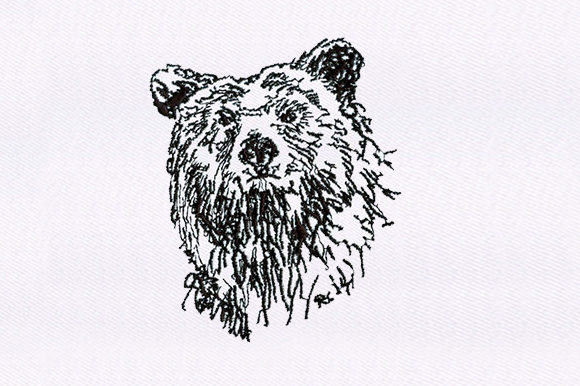
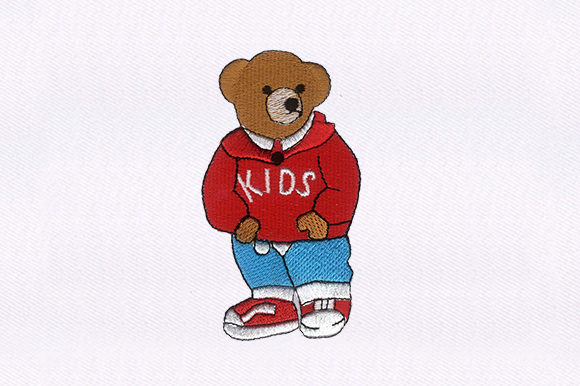
When I first opened the Cool Bear machine embroidery design, I was struck by how instantly readable it is. In a booth full of handmade products, you need designs that grab attention within seconds. Cool Bear delivers that. It has a bold, friendly, and slightly rustic feel that fits perfectly into the nature-inspired and farmhouse aesthetic that so many craft fair buyers love. The design does not try to be overly cute or cartoonish, nor does it lean into aggressive wildlife realism. Instead, it sits in a sweet spot: approachable, warm, and versatile enough to appeal to both adults and children. That is a rare balance in a Wild Animals embroidery design, and it immediately tells me this is a commercial-ready file.
For Etsy sellers and small shop product creators, first impressions matter. Cool Bear looks like a design that will photograph well on a tote bag or apron, and that translates directly into better online listings. The silhouette is clean, the lines are confident, and it does not rely on tiny details that disappear in a thumbnail. This is a design that works hard for you across multiple channels.
Tote Bags and Market Bags
This is where Cool Bear feels most at home. Embroidered on a natural cotton tote bag, the design becomes a conversation piece. Customers will stop to look at it, and because the design is not overly complex, it stitches out quickly enough to make batch production feasible. I would recommend positioning Cool Bear as a mid-sized focal design on the front of a tote bag, roughly 4 to 5 inches in height. That size gives it presence without overwhelming the bag shape. If you are preparing for a weekend craft fair, stitch out three or four tote bags with different thread colors to show variation. A dark brown bear on a cream bag is classic, but try a warm caramel thread on a sage green tote for a modern twist.
Apron Embroidery
Aprons are a staple for handmade market sellers, and Cool Bear adds a dose of personality that customers remember. I like to place the design centered on the chest panel or just above the pocket. It is large enough to be seen across a booth table but not so large that it feels heavy. Because the design has a solid presence, it elevates the perceived value of the apron. You can price these higher than plain aprons, and customers will pay it because the embroidery feels intentional and premium.
Tea Towels and Kitchen Linens
Tea towel embroidery is a fast-moving category at craft fairs, and Cool Bear is a strong contender here. The design works well as a smaller accent near the hem or as a centered motif. I recommend testing the stitch density on a terry towel or linen blend before production. Some embroidery files with dense stitch areas can cause puckering on lightweight fabrics, but Cool Bear seems to have a balanced stitch count that should perform well on most kitchen textiles. If you are selling to customers who love rustic or cabin-themed decor, this design will sell itself.
Embroidered Patches
Patches are a low-cost, high-margin product, and Cool Bear makes an excellent patch design. Its bold outline and clear shapes mean it will hold up well when cut out and applied to jackets, backpacks, or hats. I would stitch this on a twill or felt base with a satin border. The design file formats include all the major embroidery file types, so you can easily load it into your machine and test a few patch sizes. Patches are also great for booth samples, because they take up minimal space and show off your stitching quality.
Caps and Hats
Curved cap surfaces can be tricky for embroidery designs with dense fill areas or tiny details. Cool Bear appears to have a relatively open structure, which is a good sign for cap embroidery. I would test it on a structured cap front using a cap frame and a firm stabilizer. If the design includes small lettering or fine lines, those may need to be enlarged or simplified for curved surfaces. Based on the design type, I suspect Cool Bear will work well on caps if you keep the design size within 2.5 to 3.5 inches wide. Always test on a scrap cap before committing to a batch.
Pillow Covers and Home Decor
Pillow covers are a growing category for handmade product sellers, and Cool Bear fits right into a lodge or cabin aesthetic. Embroidered on a linen or cotton pillow cover, the design becomes a subtle statement piece. I would use neutral thread colors to keep it sophisticated, or a bright accent color for a playful pop. This is also a great product to feature in your booth display, propped on a chair or stacked with other pillows. It gives customers a reason to stop and imagine the design in their own home.
Small Pouches and Giftable Items
Small fabric pouches, makeup bags, and pencil cases are excellent for lower price points. Cool Bear can be scaled down to fit these smaller surfaces without losing its charm. I recommend testing the minimum size where the design still reads clearly. Because it is a Wild Animals embroidery design, it has a natural appeal that works for both kids and adults, making it a versatile gift item. These small products are also great for impulse buys at the checkout table of your booth.
How Well Does Cool Bear Photograph for Online Listings
One of the biggest challenges for an Etsy seller is making embroidery designs look good in photos. Cool Bear has strong contrast and a clear silhouette, which means it will photograph well on most backgrounds. I would suggest stitching a sample on a light-colored fabric and photographing it in natural light for your listing images. The design reads as a solid shape from a distance, so it will hold up in thumbnail views. That is a huge advantage for digital sellers who rely on photography to convey quality.
Batch Production and Repeatability
For craft fair preparation, you need designs that stitch out consistently across multiple products. Cool Bear seems to have a manageable stitch count and reasonable thread color changes. If the design uses more than four or five thread colors, you may want to simplify the palette for faster production. Based on the embroidery file formats provided, you can load the design into any commercial machine and test it. I recommend stitching at least three samples to confirm tension, density, and registration before you start batch production. Consistent results mean you can confidently offer the same design on multiple product types.
How It Attracts Customer Attention
In a busy craft fair booth, you have about three seconds to capture a customer's eye. Cool Bear does that because it is recognizable and warm. People are drawn to animal designs, especially bears, because they evoke comfort, wilderness, and nostalgia. I have seen customers stop at a booth simply because they spotted a bear design on a tote bag. That emotional connection translates directly into sales. Use this design as a hero product in your display, and you will see browsers become buyers.
Dense Stitch Areas and Fabric Choice
While Cool Bear appears well-balanced, it is always wise to check for areas of high stitch density before production. Dense fill areas can cause fabric puckering, especially on lightweight materials like quilting cotton or thin tea towels. I recommend using a medium-weight cutaway stabilizer for most projects, and testing on a scrap piece of your chosen fabric first. If the design has a high stitch count in a small area, consider using a larger hoop size to reduce tension issues.
Tiny Details and Small Lettering
If the design includes small text or fine lines, be cautious about scaling it down too much. Small lettering can become unreadable when reduced, and thin lines may break or distort during stitching. I always advise testing the design at your intended size before committing to a batch. If the details are too fine, consider a larger hoop size or a simplified version of the design. For Cool Bear, the main motif likely carries the visual weight, so small details should be treated as accents rather than focal points.
Thick Fabric and Textured Towels
For thick fabrics like terry towels or fleece, you may need a heavier stabilizer or a water-soluble topping to keep the stitches from sinking into the nap. Cool Bear should stitch cleanly on these materials if you adjust your stabilizer and tension accordingly. I recommend a medium-weight tearaway for most cotton blends, but switch to a cutaway for stretchy or textured fabrics. Always test on a sample towel before stitching a full production run.
Curved Cap Surfaces
As mentioned earlier, cap embroidery requires special attention. The design must be small enough to fit within the cap frame without distortion. If Cool Bear includes dense fills, those may cause the fabric to shift on a curved surface. Use a firm cap stabilizer and a tight hoop to minimize movement. If the design has a lot of small details, consider enlarging it slightly to reduce the risk of thread breaks. A test stitch on a practice cap is essential.
Dark Fabric and Thread Contrast
If you plan to embroider Cool Bear on dark fabric, check your thread color contrast carefully. Dark brown thread on black fabric will disappear. Instead, use a light or bright thread color to make the design pop. White, cream, gold, or light gray are safe choices for dark backgrounds. For light fabrics, dark brown or forest green thread will give a classic look. Always test your thread combination on a fabric scrap before stitching the final product.
Embroidery Designer Notes for Best Results
Before you start production on Cool Bear, here are the practical steps I recommend to every handmade product seller and Etsy shop owner:
- Test on scrap fabric first. Stitch the design on a piece of fabric similar to your final product. Check for tension issues, thread breaks, and registration.
- Check thread contrast. Hold your chosen thread colors against the fabric in natural light. If the design blends in, choose a higher contrast thread.
- Review spacing and placement. Hoop the fabric and mark the center point. Place the design where it will be most visible on the finished product.
- Confirm hoop size. Make sure the design fits within your hoop with at least half an inch of clearance on all sides. If the design is too large, you may need a larger hoop or a different placement.
- Inspect stitch density. If the design feels stiff or heavy after stitching, reduce the density in your software or use a lighter stabilizer. Dense designs can be beautiful, but they need proper support.
- Use the right stabilizer. For most cotton and linen products, a medium-weight cutaway stabilizer is a safe choice. For towels and fleece, add a water-soluble topping.
- Create at least one real mockup. Stitch the design on the actual product you plan to sell. Photograph it and use that image for your Etsy listing or booth display. A real mockup builds trust with customers.
- Compare fabric colors. If you offer the design on multiple fabric colors, test each combination. What works on cream may not work on charcoal.
- Confirm commercial licensing. Before selling finished products with Cool Bear, verify that your embroidery file license allows commercial use. Most digital embroidery file purchases include a limited commercial license, but always check the terms. This protects your small shop product business.
Final Thoughts on Cool Bear for Craft Fair Success
Cool Bear is a strong addition to any machine embroidery design collection for handmade marketplace sellers. It has a broad appeal, a clear visual identity, and the flexibility to work across many product categories. Whether you are stitching tote bags for a weekend craft fair, embroidering aprons for a local boutique, or creating patches for your online shop, this design delivers. It photographs well, stitches consistently, and connects with customers on an emotional level. That is exactly what you need in a commercial embroidery product.
As an embroidery designer, I evaluate every file based on how it performs in the real world, not just how it looks on screen. Cool Bear passes that test. It is practical, profitable, and beautiful. If you are preparing for your next craft fair or expanding your Etsy shop product line, I recommend giving this design a close look. Stitch a sample, build a display, and watch how customers respond. I think you will be pleased with the results.